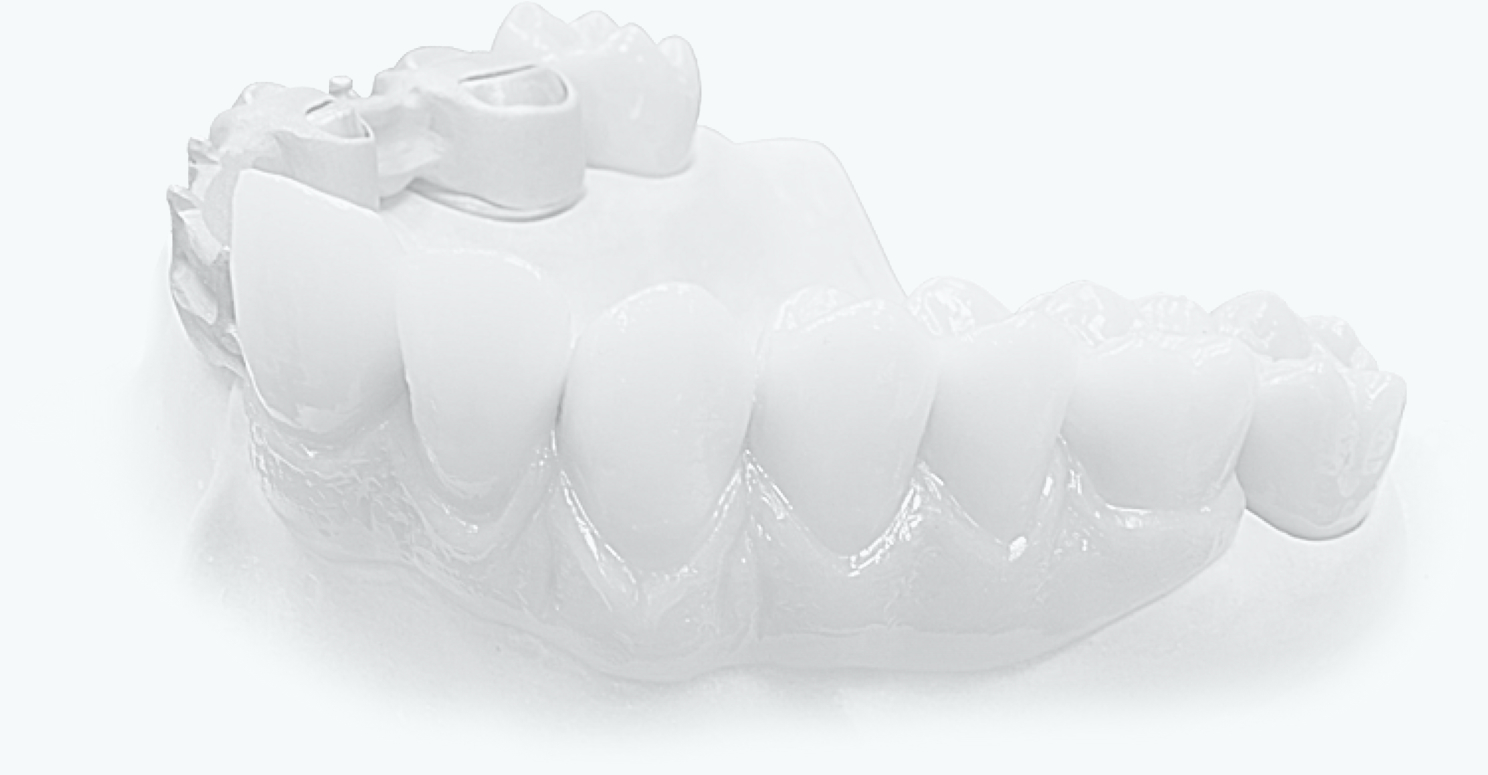








Sildenafil 100mg Hexal for Erectile Dysfunction
In this post-hoc analysis, mRSS was also a key secondary outcome.
- Sildenafil 100mg Hexal can improve confidence in intimate moments.
- It typically starts working within 30 minutes.
- Consistent use without medical advice can be risky.
- Know the signs of an allergic reaction.
- Always follow the prescribed dosage.
In light of the evidence from the aforementioned studies, MMF and CYC are often considered first-line therapies for the treatment of cutaneous sclerosis in patients with dcSSc, with CYC typically reserved for patients with severe cutaneous sclerosis who do not respond to MMF. Although the most recent EULAR treatment guidelines for SSc [15] include methotrexate as a first-line treatment for cutaneous sclerosis in SSc, the evidence for this approach is poor as there have been no RCTs comparing methotrexate with placebo for the treatment of cutaneous sclerosis in SSc. Hematopoietic stem cell transplant (HSCT) is a potentially viable option for patients with rapidly evolving dcSSc refractory to treatment with immunosuppression. treatment-related side effects and early treatment-related mortality) associated with this procedure, this option is typically reserved for patients with rapidly progressive cutaneous sclerosis and underlying organ involvement refractory to treatment with immunosuppression. In the Autologous Stem Cell Transplantation International Scleroderma (ASTIS) trial (autologous HSCT versus monthly intravenous CYC for 12 months), the mean improvement in mRSS from baseline to 24 months was greater in the HSCT group (−19.9) than in the control group (−9.8) (P < .001) [16].
- Sildenafil 100mg Hexal should not be used with nitrate medications.
- Possible side effects include headache, flushing, or dizziness.
- Store in a cool, dry place away from sunlight.
- Do not exceed the prescribed dose to avoid adverse effects.
- Use only as directed by a healthcare professional.
In the Scleroderma: Cyclophosphamide Or Transplantation (SCOT) trial (autologous HSCT versus monthly intravenous CYC for 12 months) [17], numerically more patients in the HSCT arm experienced a clinically meaningful improvement in mRSS compared with patients in the CYC arm. There was also a long-term survival benefit associated with HSCT in the SCOT trial; however, the results of the survival analysis should be interpreted with caution since the comparator arm only received CYC for 12 months, and typically patients with SSc receive immunosuppression beyond 1 year. In clinical practice, a considerable proportion of patients with dcSSc do not respond adequately or are intolerant to treatment with CYC or MMF. New treatment options are needed for patients who possess a progressive, treatment-resistant phenotype of cutaneous sclerosis.
Author information
Scl-70 antibody presence, male sex, African American race) [36]. The treatment paradigm for SSc-ILD has historically involved the initiation of immunosuppressive therapy in patients who exhibit signs of or risk factors for the progression of ILD. In SLS I (oral CYC versus placebo), treatment with CYC led to significant improvements in the FVC%-predicted [10], total lung capacity (TLC)%-predicted [10], radiographic fibrosis [37], and quality of life [38] at 12 months. However, a year after cessation of CYC, there was no difference in the FVC%-predicted and TLC%-predicted between patients randomized to CYC versus placebo [39]. Moreover, during a 12-year follow-up period, there was no difference in long-term morbidity and mortality outcomes between patients randomized to CYC versus placebo in SLS I [40], suggesting that 1 year of treatment does not lead to a sustained improvement in health outcomes in SSc-ILD, and maintenance therapy is important.
Areas covered:
In SLS II [12], treatment with MMF for 24 months led to a significant improvement in FVC%-predicted [12], quantitative radiographic fibrosis [37], and patient-reported outcomes [41]. There was no significant difference in efficacy outcomes between patients randomized to MMF versus CYC in SLS II, although MMF was better tolerated and had a more favorable safety profile compared with CYC in this study [12]. For instance, there were 15 versus 4 premature study drug with-drawals in the CYC and MMF arms, respectively, and over twice as many deaths in the CYC arm (11 CYC; 5 MMF), with most deaths attributable to progressive of ILD. When the MMF arm of SLS II was compared with the placebo arm of SLS I (with adjustment for baseline disease severity), patients treated with MMF demonstrated a significant improvement in FVC % predicted, DLCO% predicted, and dyspnea compared with the placebo group [14]. The collective findings from SLS I and II suggest that: (1) the duration of treatment for SSc-ILD should be longer than 1 year to yield a sustained benefit; (2) treatment with MMF and CYC both lead to short-term improvements in lung function, radiographic fibrosis, and quality of life; and (3) MMF appears to be safer and better tolerated than CYC. Promising therapeutic agents, such as tocilizumab [18] and abatacept [19], have failed to meet the primary endpoint of change in mRSS in RCTs, leaving an unmet clinical need (Table 2). In a phase II study of 43 patients with dcSSc, treatment with lenabasum was associated with an improvement in the American College of Rheumatology (ACR) Combined Response Index in diffuse cutaneous Systemic Sclerosis (CRISS) score (33% achieved a positive response in the lenabasum arm compared with 0% in the placebo arm) and there was a trend for a significant treatment effect on mRSS (P = 0.085) [21]. The CRISS is a composite response index derived from patients with dcSSc and is comprised of the following endpoints with differential weighting: mRSS, forced vital capacity (FVC)%-predicted, Health Assessment Questionnaire Disability Index (HAQ-DI), Patient Global Assessment, and Physician Global Assessment [22]. In the open-label extension to the Phase II study, a clinically meaningful improvement in mRSS was observed under treatment with lenabasum (−8.4 points at 6 months, −9.8 points at 12 months, and −10.7 points at 18 months), although given that there was no placebo arm in the extension study, it is unclear whether this represents a continued treatment effect versus the natural history of the disease [23]. The drug appears to be well-tolerated, and the phase III study (NCT03398837) has completed enrollment (N = 365), and the expected study completion date is in 2020. The anti-fibrotic, pirfenidone, is currently under investigation in a phase II trial for SSc-ILD (SLS III), in which a key secondary endpoint is a change in mRSS (NCT03221257).
| Product | Dosage | Quantity + Bonus | Price | |
|---|---|---|---|---|
| Viagra Generic | 25mg | 180 + 6 Pills | 154.93€ 147.55€ | |
| Viagra Generic | 50mg | 20 Pills | 40.52€ 38.59€ | |
| Viagra Generic | 150mg | 10 Pills | 36.73€ 34.98€ | |
| Viagra Generic | 50mg | 90 + 6 Pills | 107.37€ 102.26€ | |
| Kamagra Soft Tabs | 100mg | 272 + 12 Pills | 593.42€ 565.16€ | |
| Kamagra Soft Tabs | 100mg | 180 + 8 Pills | 425.45€ 405.19€ | |
| Kamagra Polo | 100mg | 272 + 12 Pills | 622.94€ 593.28€ | |
| Viagra Generic | 50mg | 180 + 8 Pills | 158.82€ 151.26€ | |
| Viagra Generic | 150mg | 30 + 2 Pills | 72.32€ 68.88€ | |
| Kamagra Polo | 100mg | 180 + 8 Pills | 446.52€ 425.26€ | |
| Viagra Generic | 25mg | 30 + 4 Pills | 47.97€ 45.69€ | |
| Kamagra Polo | 100mg | 60 + 4 Pills | 189.39€ 180.37€ |
An open-label phase II study of pirfenidone in SSc-ILD suggested an acceptable safety and tolerability profile of this agent [24]. In SLS III, pirfenidone is combined with upfront MMF therapy to determine whether combining an anti-fibrotic with MMF leads to an improvement in skin and lung outcomes compared with MMF alone. Another novel anti-fibrotic, nintedanib was recently approved by the FDA for the treatment of SSc-ILD as described further below; however, this phase III study failed to detect a significant treatment effect for nintedanib on mRSS [25]. The B-cell depleting agent, rituximab, is frequently used in clinical practice to treat patients with dcSSc who fail to respond to conventional immunosuppressive therapies.
Dosage of TOURNES 100mg
Nicht-medizinische Verwendung
Large RCTs of rituximab for SSc have not been performed; however, one relatively small RCT demonstrated that rituximab treatment led to a greater improvement in mRSS at 6 months compared with CYC [26]. In addition, small, open-label studies have demonstrated favorable effects on skin thickening [27,28]. A case-control analysis of 63 SSc patients from European Scleroderma Trial and Research (EUSTAR) cohort demonstrated that the patients with dcSSc who received rituximab experienced a greater reduction in MRSS compared with matched controls (N = 25; −24.0 ± 5.2% vs −7.7 ± 4.3%; p = 0.03) [29]. A small observational study of 18 patients with SSc demonstrated that combining rituximab with MMF is safe and leads to significant improvements in mRSS [30]. As discussed further below, there is also evidence that rituximab may possess disease-modifying effects on ILD in SSc, suggesting that this agent may play a role in the management of patients with treatment-resistant skin and lung disease.
TOURNES 100mg Interactions TOURNES 100mg
In this post-hoc analysis, mRSS was also a key secondary outcome. In light of the evidence from the aforementioned studies, MMF and CYC are often considered first-line therapies for the treatment of cutaneous sclerosis in patients with dcSSc, with CYC typically reserved for patients with severe cutaneous sclerosis who do not respond to MMF. Although the most recent EULAR treatment guidelines for SSc [15] include methotrexate as a first-line treatment for cutaneous sclerosis in SSc, the evidence for this approach is poor as there have been no RCTs comparing methotrexate with placebo for the treatment of cutaneous sclerosis in SSc. Hematopoietic stem cell transplant (HSCT) is a potentially viable option for patients with rapidly evolving dcSSc refractory to treatment with immunosuppression. treatment-related side effects and early treatment-related mortality) associated with this procedure, this option is typically reserved for patients with rapidly progressive cutaneous sclerosis and underlying organ involvement refractory to treatment with immunosuppression.
Download citation
In the Autologous Stem Cell Transplantation International Scleroderma (ASTIS) trial (autologous HSCT versus monthly intravenous CYC for 12 months), the mean improvement in mRSS from baseline to 24 months was greater in the HSCT group (−19.9) than in the control group (−9.8) (P < .001) [16]. In the Scleroderma: Cyclophosphamide Or Transplantation (SCOT) trial (autologous HSCT versus monthly intravenous CYC for 12 months) [17], numerically more patients in the HSCT arm experienced a clinically meaningful improvement in mRSS compared with patients in the CYC arm. There was also a long-term survival benefit associated with HSCT in the SCOT trial; however, the results of the survival analysis should be interpreted with caution since the comparator arm only received CYC for 12 months, and typically patients with SSc receive immunosuppression beyond 1 year. In clinical practice, a considerable proportion of patients with dcSSc do not respond adequately or are intolerant to treatment with CYC or MMF. New treatment options are needed for patients who possess a progressive, treatment-resistant phenotype of cutaneous sclerosis. A phase II study combining rituximab sildenafil tablet manforce 50 mg with belimumab and MMF is ongoing (NCT03222492).
3. Conclusion
Promising therapeutic agents, such as tocilizumab [18] and abatacept [19], have failed to meet the primary endpoint of change in mRSS in RCTs, leaving an unmet clinical need (Table 2). In a phase II study of 43 patients with dcSSc, treatment with lenabasum was associated with an improvement in the American College of Rheumatology (ACR) Combined Response Index in diffuse cutaneous Systemic Sclerosis (CRISS) score (33% achieved a positive response in the lenabasum arm compared with 0% in the placebo arm) and there was a trend for a significant treatment effect on mRSS (P = 0.085) [21]. The CRISS is a composite response index derived from patients with dcSSc and is comprised of the following endpoints with differential weighting: mRSS, forced vital capacity (FVC)%-predicted, Health Assessment Questionnaire Disability Index (HAQ-DI), Patient Global Assessment, and Physician Global Assessment [22]. In the open-label extension to the Phase II study, a clinically meaningful improvement in mRSS was observed under treatment with lenabasum (−8.4 points at 6 months, −9.8 points at 12 months, and −10.7 points at 18 months), although given that there was no placebo arm in the extension study, it is unclear whether this represents a continued treatment effect versus the natural history of the disease [23]. The drug appears to be well-tolerated, and the phase III study (NCT03398837) has completed enrollment (N = 365), and the expected study completion date is in 2020.
Erektile Dysfunktion (ED)
The anti-fibrotic, pirfenidone, is currently under investigation in a phase II trial for SSc-ILD (SLS III), in which a key secondary endpoint is a change in mRSS (NCT03221257). An open-label phase II study of pirfenidone in SSc-ILD suggested an acceptable safety and tolerability profile of this agent [24]. In SLS III, pirfenidone is combined with upfront MMF therapy to determine whether combining an anti-fibrotic with MMF leads to an improvement in skin and lung outcomes compared with MMF alone. Another novel anti-fibrotic, nintedanib was recently approved by the FDA for the treatment of SSc-ILD as described further below; however, this phase III study failed to detect a significant treatment effect for nintedanib on mRSS [25]. The B-cell depleting agent, rituximab, is frequently used in clinical practice to treat patients with dcSSc who fail to respond to conventional immunosuppressive therapies. The majority of patients with SSc have interstitial abnormalities identified on high-resolution computed tomography (HRCT) imaging [31]. Patients with both lcSSc and dcSSc can develop ILD, and when present, the development of ILD in SSc increases the risk of mortality by at least threefold [32]. Furthermore, data from observational studies in both the US [33] and Europe [34] suggest that ILD is likely the leading cause of SSc-related death.
What is TOURNES 100mg
Similar to cutaneous sclerosis, a substantial portion of patients with SSc-ILD experience progression of ILD despite treatment with CYC or MMF. HSCT may ameliorate ILD in carefully selected patients with dcSSc [16,17]. In the ASTIS study, in which 86% and 87% of the patients randomized to HSCT and CYC, respectively, had ILD, more patients in the HSCT arm experienced an improvement in the FVC compared with the CYC arm [16]. Similarly, in the SCOT study, in which 100% and 95% of the patients randomized to HSCT and CYC, respectively, had ILD, fewer patients randomized to HSCT experienced respiratory failure in the HSCT arm (N = 5) compared with the CYC arm (N = 13) at 1 year [17]. The tyrosine kinase inhibitor, nintedanib, was recently found to slow the rate of progression of ILD in the largest RCT (SENSCIS) ever conducted in SSc (N = 576) [25].
Authors and Affiliations
In this study, patients were randomized to 12 months of nintedanib versus 12 months of placebo, and the entry criteria permitted patients to continue treatment with MMF if they were taking a stable dose of MMF for at least 6 months prior to screening. Approximately half of all patients in each study arm were taking MMF at baseline. The rate of decline of FVC (mL/year) was greatest in the placebo arm not on background MMF at baseline (−119.3), and lowest in the nintedanib arm taking MMF at baseline (−40.2), and similar in the nintedanib alone arm (−63.9) and placebo arm on background MMF at baseline (−66.5). While progression rates of ILD in SSc vary [35], patients typically experience progression within the first 4–5 years of their presentation [33]; therefore, treatment should be initiated early in affected patients to prevent ILD progression, especially in patients who possess features that increase their likelihood of ILD progression (e.g. Scl-70 antibody presence, male sex, African American race) [36]. The treatment paradigm for SSc-ILD has historically involved the initiation of immunosuppressive therapy in patients who exhibit signs of or risk factors for the progression of ILD.
| Brand Name | Dosage | Manufacturer | Form | Packaging |
|---|---|---|---|---|
| Hexal | 100 mg | Hexal AG | Tablets | Blister packs (30) |
| Generic | 100 mg | Various | Tablets | Bottle (60) |
| Pfizer | 100 mg | Pfizer Inc. | Tablets | Blister packs (28) |
In SLS I (oral CYC versus placebo), treatment with CYC led to significant improvements in the FVC%-predicted [10], total lung capacity (TLC)%-predicted [10], radiographic fibrosis [37], and quality of life [38] at 12 months. However, a year after cessation of CYC, there was no difference in the FVC%-predicted and TLC%-predicted between patients randomized to CYC versus placebo [39]. Moreover, during a 12-year follow-up period, there was no difference in long-term morbidity and mortality outcomes between patients randomized to CYC versus placebo in SLS I [40], suggesting that 1 year of treatment does not lead to a sustained improvement in health outcomes in SSc-ILD, and maintenance therapy is important. In SLS II [12], treatment with MMF for 24 months led to a significant improvement in FVC%-predicted [12], quantitative radiographic fibrosis [37], and patient-reported outcomes [41]. There was no significant difference in efficacy outcomes between patients randomized to MMF versus CYC in SLS II, although MMF was better tolerated and had a more favorable safety profile compared with CYC in this study [12]. For instance, there were 15 versus 4 premature study drug with-drawals in the CYC and MMF arms, respectively, and over twice as many deaths in the CYC arm (11 CYC; 5 MMF), with most deaths attributable to progressive of ILD.
Possible side effects of TOURNES 100mg
7.2 An Old Success Story—Aspirin
When the MMF arm of SLS II was compared with the placebo arm of SLS I (with adjustment for baseline disease severity), patients treated with MMF demonstrated a significant improvement in FVC % predicted, DLCO% predicted, and dyspnea compared with the placebo group [14]. The collective findings from SLS I and II suggest that: (1) the duration of treatment for SSc-ILD should be longer than 1 year to yield a sustained benefit; (2) treatment with MMF and CYC both lead to short-term improvements in lung function, radiographic fibrosis, and quality of life; and (3) MMF appears to be safer and better tolerated than CYC. Similar to cutaneous sclerosis, a substantial portion of patients with SSc-ILD experience progression of ILD despite treatment with CYC or MMF.
Externe Links zu erwähnten Verbindungen
Large RCTs of rituximab for SSc have not been performed; however, one relatively small RCT demonstrated that rituximab treatment led to a greater improvement in mRSS at 6 months compared with CYC [26]. In addition, small, open-label studies have demonstrated favorable effects on skin thickening [27,28]. A case-control analysis of 63 SSc patients from European Scleroderma Trial and Research (EUSTAR) cohort demonstrated that the patients with dcSSc who received rituximab experienced a greater reduction in MRSS compared with matched controls (N = 25; −24.0 ± 5.2% vs −7.7 ± 4.3%; p = 0.03) [29]. A small observational study of 18 patients with SSc demonstrated that combining rituximab with MMF is safe and leads to significant improvements in mRSS [30]. As discussed further below, there is also evidence that rituximab may possess disease-modifying effects on ILD in SSc, suggesting that this agent may play a role in the management of patients with treatment-resistant skin and lung disease.
Off-Label und potentielle Anwendungsgebiete
A phase II study combining rituximab sildenafil tablet manforce 50 mg with belimumab and MMF is ongoing (NCT03222492). The majority of patients with SSc have interstitial abnormalities identified on high-resolution computed tomography (HRCT) imaging [31]. Patients with both lcSSc and dcSSc can develop ILD, and when present, the development of ILD in SSc increases the risk of mortality by at least threefold [32]. Furthermore, data from observational studies in both the US [33] and Europe [34] suggest that ILD is likely the leading cause of SSc-related death. While progression rates of ILD in SSc vary [35], patients typically experience progression within the first 4–5 years of their presentation [33]; therefore, treatment should be initiated early in affected patients to prevent ILD progression, especially in patients who possess features that increase their likelihood of ILD progression (e.g. HSCT may ameliorate ILD in carefully selected patients with dcSSc [16,17]. In the ASTIS study, in which 86% and 87% of the patients randomized to HSCT and CYC, respectively, had ILD, more patients in the HSCT arm experienced an improvement in the FVC compared with the CYC arm [16]. Similarly, in the SCOT study, in which 100% and 95% of the patients randomized to HSCT and CYC, respectively, had ILD, fewer patients randomized to HSCT experienced respiratory failure in the HSCT arm (N = 5) compared with the CYC arm (N = 13) at 1 year [17]. The tyrosine kinase inhibitor, nintedanib, was recently found to slow the rate of progression of ILD in the largest RCT (SENSCIS) ever conducted in SSc (N = 576) [25]. In this study, patients were randomized to 12 months of nintedanib versus 12 months of placebo, and the entry criteria permitted patients to continue treatment with MMF if they were taking a stable dose of MMF for at least 6 months prior to screening.
| Interacting Drug | Effect | Level of Concern | Notes |
|---|---|---|---|
| Nitrates | Severe hypotension | High | Contraindicated |
| Alpha-blockers | Increased hypotensive risk | Moderate | Use cautiously |
| CYP3A4 inhibitors | Increased sildenafil levels | Moderate | Adjust dose accordingly |
| Other PDE5 inhibitors | Additive effects | High | Should not be combined |
Approximately half of all patients in each study arm were taking MMF at baseline. The rate of decline of FVC (mL/year) was greatest in the placebo arm not on background MMF at baseline (−119.3), and lowest in the nintedanib arm taking MMF at baseline (−40.2), and similar in the nintedanib alone arm (−63.9) and placebo arm on background MMF at baseline (−66.5).